

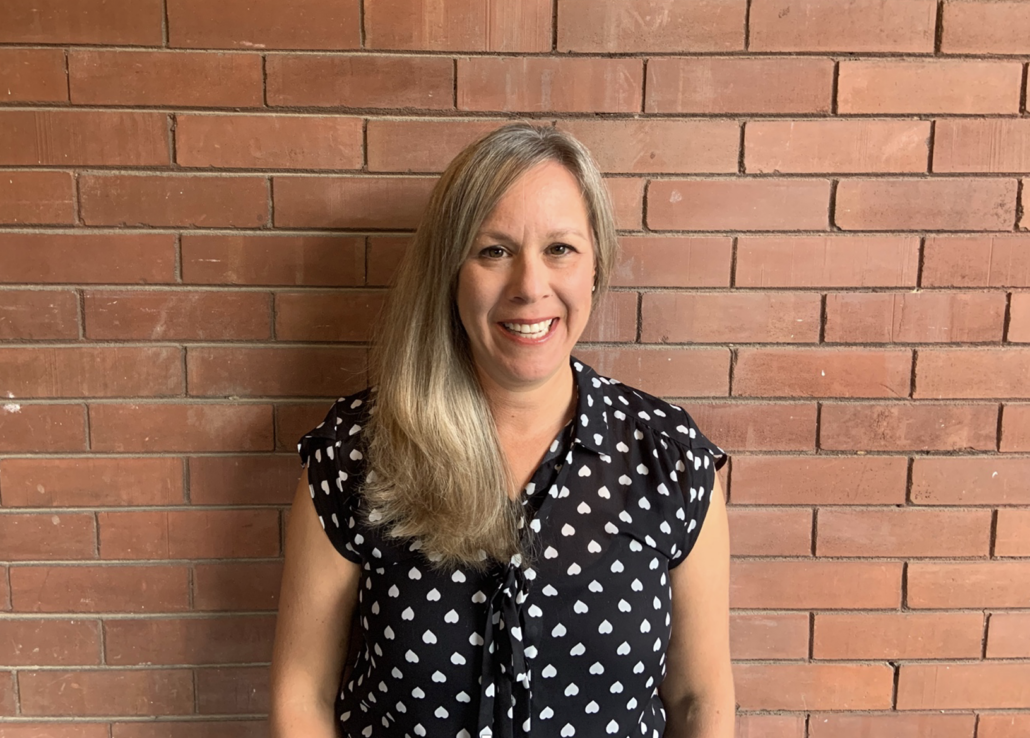
Dr. Sharon Naymark
The PSOMA’s Winter 2025-2026 Pediatrician of the Season is Dr. Sharon Naymark. She was nominated by her colleague, Dr. Julia Orkin who indicated that her “blend of skill, humanity, and heartfelt commitment makes Dr. Naymark truly deserving of the Pediatrician of the Season award, highlighting the exceptional care she provides to each and everyone of her patients in her community office.”
I had the pleasure to sit down with Dr. Naymark to discuss her career, her innovative approaches to patient care, and the philosophy that has guided her through decades of practice in Toronto’s West End. Our discussion revealed not only the breadth of her clinical work but also the deep relationships she has built with families and colleagues throughout her career so far.
Dr. Naymark’s path to pediatrics began long before medical school. Growing up in Toronto, she spent her summers working at day camps, teaching swimming, and volunteering at Holland Bloorview Kids Rehabilitation Hospital. “I really always enjoyed working with kids,” she explained. These early experiences shaped her understanding that pediatrics offered something unique.
After completing her pediatric training at SickKids Hospital, Dr. Naymark nearly pursued developmental pediatrics but ultimately chose general pediatrics because she didn’t want to miss “all the other fun stuff about pediatrics.” This decision proved formative, allowing her to build the diverse, longitudinal practice she maintains today. Mentorship played a crucial role in her career trajectory. “Mentors are so important,” she reflected, emphasizing that these relationships often develop fortuitously through diverse work experiences.
Dr. Naymark’s weekly schedule exemplifies the variety that drew her to general pediatrics. She works 2-3 days per week in her primary care pediatric office at Clairhurst, 1-2 days at the Just for Kids walk-in clinic at St. Joe’s (including some weekend and evening shifts), and conducts consulting pediatrics at St. Joe’s focusing on development, ADHD, autism, and mental health issues. One of the most innovative aspects of Dr. Naymark’s primary care practice at Clairhurst is the morning walk-in clinic model. From 9:00 to 10:30 each morning, any patient registered with the practice can be seen same-day by one of the doctors on duty. “We cover each other,” Sharon explained. This collaborative approach ensures families have immediate access to care when their children are sick, likely preventing countless emergency room visits and providing peace of mind to anxious parents.
The conversation turned to one of the key reasons Dr. Naymark was nominated—her exceptional commitment to patient-centered care. When asked about this, her response revealed the philosophy at the heart of her practice. “Recognizing this, acknowledging this—this is the reality, the world that we live in—is sort of central to my approach,” she explained. “I really, honestly, I just try to listen to families, I try to validate their concerns, I try to respond with compassion in my body language, in my tone and the language that I use.”
She emphasized that trust doesn’t always come easily: “Sometimes it comes easily, and sometimes it’s going to take more time, and we just have to be patient to develop that trust with families to make them feel supported and confident.”
Three patients in particular have profoundly shaped Dr. Naymark’s understanding of what it means to be a pediatrician. All three were children with complex genetic conditions whom she cared for as their primary pediatrician. All three, sadly, passed away at young ages.
“You meet, you care for these kids, and you care for their families, and you see how resilient parents are, and how resilient families are,” Sharon reflected. “And all they needed from me was to be present, to listen to them, to sit with them in their grief sometimes, and just to support them.”
These experiences taught her a fundamental lesson about the role of a pediatrician: “We don’t always have to cure kids, we don’t always have to fix everything.” The relationships she built with these families extended beyond tragedy—she continues to care for their subsequent children. “I’m fortunate that those families have gone on to have more kids, and I look after their siblings. I really feel like it’s a privilege to be invited into these people’s lives. And when you recognize that, the rest sort of comes after that.”
For new pediatricians considering their career paths, Dr. Naymark offered wisdom she received from her own mentor years ago: “Work in different locations and work in different settings when you first start out. Don’t tie yourself down.” She emphasized that working in different offices, hospitals, and clinics allows new doctors to discover what they like, where they fit in, and importantly, to find mentors. “Finding mentors is important, but it takes time and sometimes just happens fortuitously,” she noted.
She also encouraged new graduates to take on different roles within their institutions—whether on committees, in education, or other leadership capacities. “It really helps you meet people, you build new skills, and you get a better appreciation of how the healthcare system works and what role can I play in it.”
On the challenges of office-based pediatrics, her advice was straightforward: “You have to love what you do. I have really good colleagues everywhere I’ve worked who are really supportive, and I think that they make going to work fun. You have to really like the people you work with.”
Dr. Sharon Naymark’s career exemplifies what it means to be a community pediatrician in the fullest sense. Her practice reflects deep commitment to relationships, accessibility, and the profound privilege of caring for children and families. As she reminded us in closing: “We can all burn out and we can get stressed, but if we remember why are we doing this, it’s really to provide great care to children and their families.” For Dr. Naymark, that purpose remains crystal clear.